




Blog

A Ride Through Time: The History of the Dodge Charger

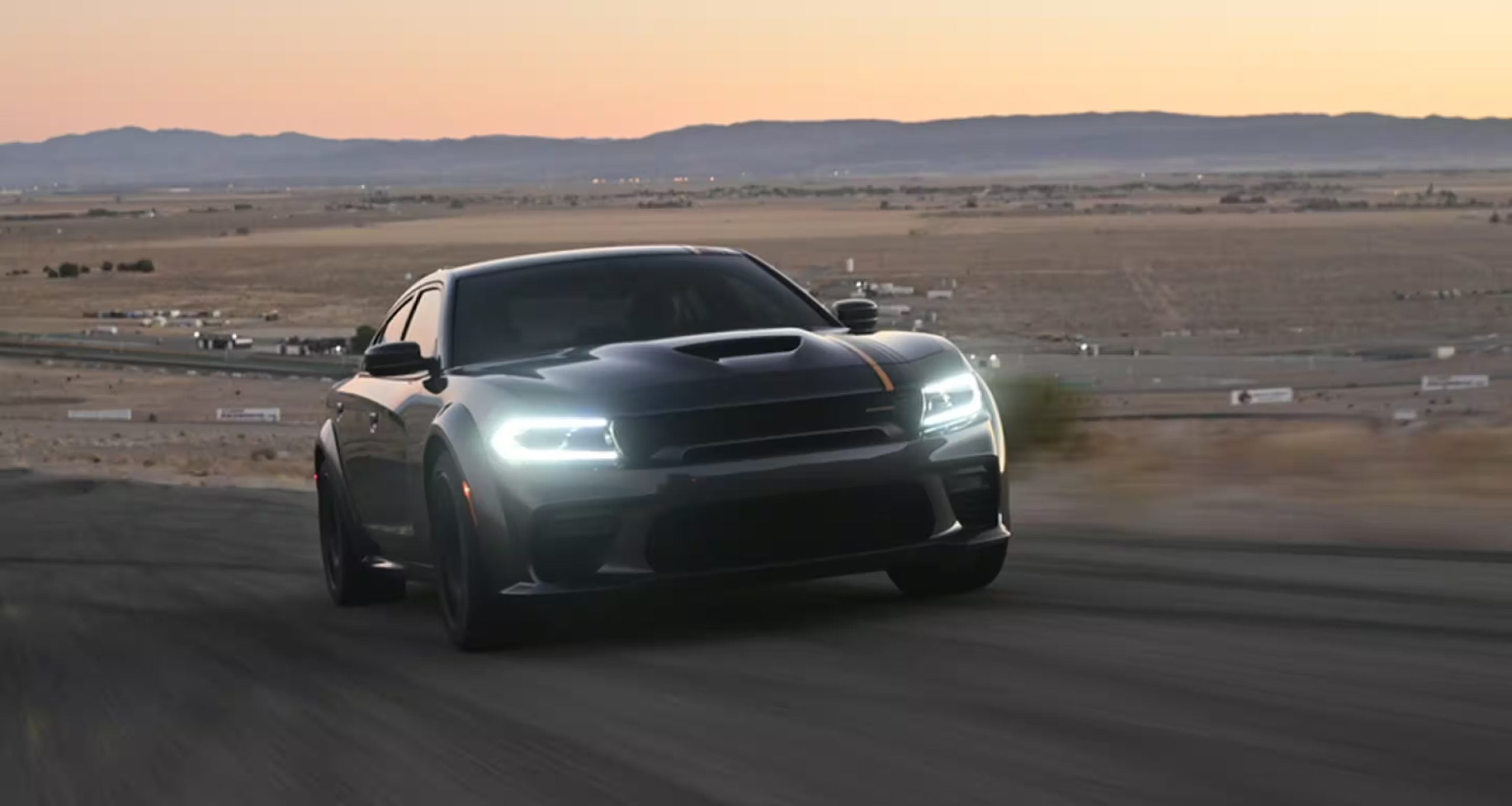
2023 Dodge Charger driving down a desert road

The Dodge Charger has been an icon of American automotive design and performance since it first hit the streets in the 1960s. Known for its powerful engines and aggressive styling, the Dodge Charger has remained a popular choice for muscle car enthusiasts since its inception. Journey through the history of this legendary muscle car with the team at Hunt Chrysler Center.

First Generation: The Original Fastback (1966-1967)

The first-generation Dodge Charger made its debut in 1966 as a fastback coupe with a distinctive long nose and short deck design.

Powered by a variety of V8 engines, the Dodge Charger quickly gained a reputation for its performance and style. It set itself apart from other muscle cars of the era with its unique design, including hidden headlights and full-width taillights.

Second Generation: The Legendary Dodge Charger (1968-1970)

The second-generation Dodge Charger, produced from 1968 to 1970, is arguably the most iconic and recognizable version of this muscle car. With its aggressive, Coke-bottle styling and powerful engines like the legendary 426 HEMI®, the Dodge Charger earned its place in automotive history.

Subsequent Generations: Evolving with the Times (1971-Present)

Over the years, the Dodge Charger has undergone numerous transformations, adapting to the changing preferences and market demands. From the third to the fifth generations, the Dodge Charger went through various body styles and engine options.

In 2006, the Dodge Charger made a triumphant return as a four-door sedan, combining modern convenience with classic muscle car performance.

The Legacy Continues at Hunt Chrysler Center

The rich history of the Dodge Charger is a testament to its enduring appeal as an American muscle car icon. Here at Hunt Chrysler Center, your Franklin, KY Chrysler dealership, you can find the latest iteration of this legendary vehicle. Visit us today to explore the current lineup of Dodge Charger models and become a part of the legacy.
Recommended Posts

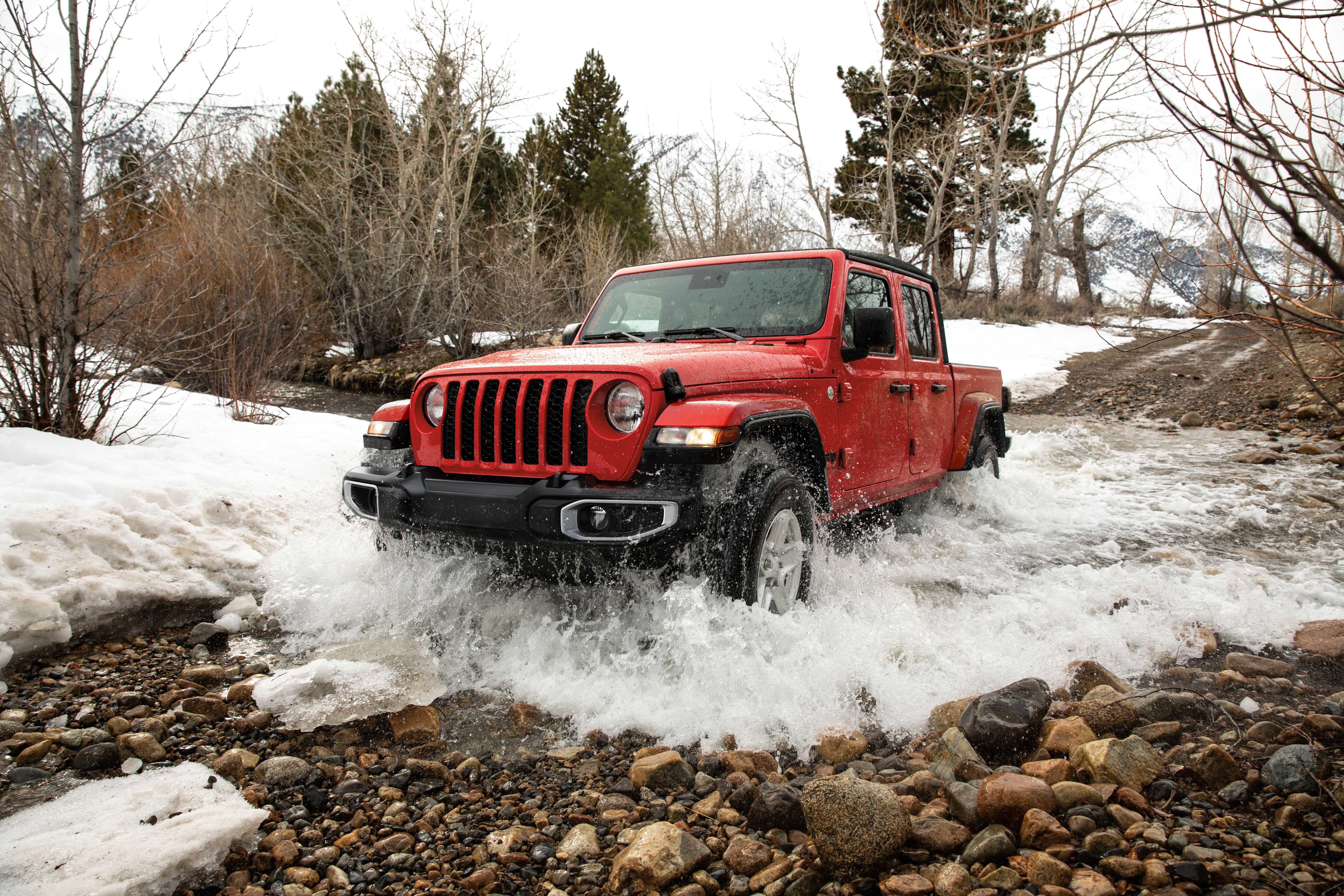
Jeep Gladiator pickup truck driving through snowy water terrain.

RAM Truck Winter Maintenance: Your September Cold-Weather Prep Guide

September might still feel warm in Franklin, KY, but cooler temperatures are just around the corner. Getting ahead of cold-weather prep now—and taking care of it after a busy summer—means your RAM truck will be ready when temperatures drop. Waiting until winter arrives can lead to rushed repairs, parts delays, and uncomfortable surprises on the road. A little planning in the fall goes a long way toward keeping your truck reliable all season long. Check Your Battery Before the Cold Hits Cold weather is tough on batteries, and RAM truck winter maintenance should always start here. Batteries that are 3 years or older may struggle to hold a charge when temperatures drop below freezing. Have your battery tested at a Certified service center to check its voltage and overall condition. If it's showing signs of weakness, replacing it now is far less stressful than dealing with a no-start situation on a cold morning. Inspect Your Fluids and Cooling System Your RAM cooling system works hard to regulate engine temperature year-round, but it faces different challenges in winter. Make sure your coolant mixture is properly balanced to handle freezing temperatures. You'll also want to check your oil, brake fluid, and windshield washer fluid. Using a winter-rated washer fluid is especially helpful for keeping your windshield clear during those early morning drives. If you're due for an oil change, switching to a lower-viscosity oil can help your engine turn over more easily in the cold. Don't Overlook Your Tires and Brakes After a summer of towing, stop-and-go traffic, off-roading, and road trips, your tires have seen some action and are likely feeling it. Now that it’s getting cooler, your tires—your first line of defense on slick or wet roads—could use some help. Check your tread depth and tire pressure, since cold air causes pressure to drop—roughly 1 lb. per square inch for every 10-degree drop in temperature. If your tread is worn, consider investing in all-season or winter tires before the season changes. While you're at it, have your brakes inspected as well. Strong braking performance is critical when roads get slippery, and worn pads or rotors should be addressed before cold weather arrives. If you’ve noticed a spongy pedal feel underfoot, heard squealing or grinding, or pulling to one side, it’s high time to have your brakes checked. Test Your Heat and Defrost Systems There's nothing worse than discovering your heater doesn't work on the first cold morning of the year. As part of your RAM truck winter maintenance routine, test your cabin heat, rear window defroster, and front windshield defrost well before you need them. Check that your blower motor is functioning at all speeds and that warm air is reaching all vents. If anything seems off, scheduling RAM service in Franklin, KY early in the season will help you avoid long wait times as demand increases in winter months. Check Your 4-Wheel Drive System If your RAM is equipped with 4WD, fall is the ideal time to engage it and make sure everything is functioning properly. If you use your 4WD system primarily in colder weather for added traction, the system may have been unused for months—and that means it may be sluggish or sticky when you first try to engage it. Take a few minutes to cycle through the available drive modes and listen for anything unusual. Catching a 4WD issue now means you won't be without it when road conditions actually call for it. Stock Your Cab with a Winter Emergency Kit Even a well-maintained truck can end up in a tough spot during winter weather. Keep a small emergency kit in your cab with items like a blanket, jumper cables, an ice scraper, a flashlight, and a first aid kit. This is a simple step that takes minimal effort but can make a real difference if you're ever stranded. Get Your RAM Ready With Professional Service RAM truck winter maintenance is most effective when you combine your own checks with a professional inspection. The team at Hunt Chrysler is ready to help drivers throughout Franklin, KY get their trucks dialed in before cold weather settles in. Whether you need a battery test, fluid flush, or full inspection, scheduling an appointment this September keeps you ahead of the season. Visit Hunt Chrysler’s website to book your service today.

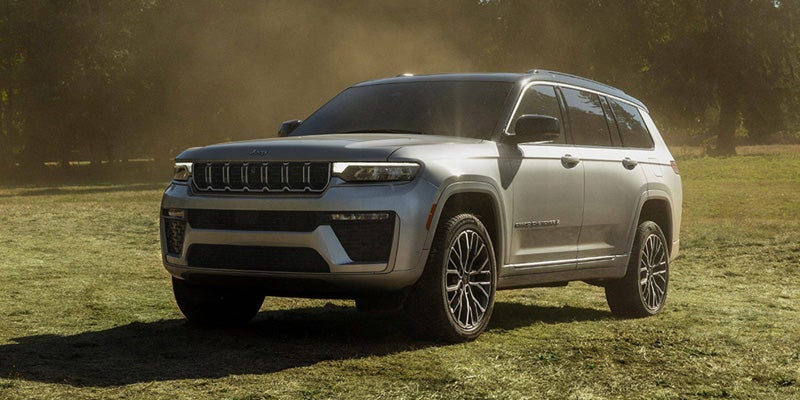
2025 Jeep Grand Cherokee SUV parked on a grassy field.

Jeep Grand Cherokee vs. Grand Cherokee L: Two Great SUVs, One Big Decision

One of Jeep’s most popular models is the Grand Cherokee, thanks to its balance of off-road prowess and everyday comfort. If you've been shopping for a new SUV, you've probably already noticed that the 2026 Jeep Grand Cherokee comes in 2 configurations. Both the Jeep Grand Cherokee and Grand Cherokee L share a name and a platform, but they’re built for slightly different needs. Understanding the differences can help you make a confident choice before you visit Hunt Chrysler serving Franklin, Kentucky. Size and Seating: The Core Difference in the Jeep Grand Cherokee vs Grand Cherokee L The big difference is size. The standard Grand Cherokee is a 2-row SUV that seats up to 5 passengers, while the Grand Cherokee L adds a 3 rd row to accommodate up to seven. But the 2 vs. 3-row configuration difference isn’t just about passenger count—it’s about how the vehicle fits into your everyday routine. The Grand Cherokee L is noticeably longer, which translates to more cargo space overall. When you’re traveling with a full house of passengers, you’ll have 17.2 cu. ft. of cargo space for everyday stuff behind the 3 rd row. This is much different than the 2-row version which lets you bring 5 passengers and gives you a massive 37.7 cu. ft. for everyday stuff. If you aren’t using the 3 rd row, the Grand Cherokee L opens up to 46.9 cu. ft., and a max of 84.6 cu. ft. with both rows down. The standard Grand Cherokee gives you 70.8 cu. ft. of total cargo space. If you regularly haul both a maximum of passengers and haul a lot of sports gear, groceries, or luggage for a larger family, the flexibility of that 3 rd row and the extra cargo space matters. The standard Grand Cherokee, on the other hand, is more easily maneuverable in parking lots and city traffic and works if you rarely travel with more than 5 people. Capability and Performance Comparison Both the Grand Cherokee and Grand Cherokee L carry the same legendary Jeep off-road DNA. Each model is available with capable 4WD systems and solid ground clearance, making them well-suited for light trails, gravel roads, and varying terrain. The standard Grand Cherokee tends to feel a bit more nimble on winding roads simply due to its shorter wheelbase. That said, neither model sacrifices capability for comfort. Both offer available Quadra-Lift® air suspension, Selec-Terrain® traction control, and a suite of driver-assist technologies designed to keep you confident in a variety of conditions. Interior and Technology Step inside either model and you'll find a well-appointed cabin with a Uconnect® 5 touchscreen infotainment system, premium materials ranging from premium cloth to leather, and smart storage. The 2-row vs. 3-row Jeep SUV difference does affect how interior space is distributed. In the Grand Cherokee, the 2 nd -row passengers get an impressive 38.2” of legroom, while the 2 nd row in the Grand Cherokee L provides 39.4”, and that 3 rd row is best for children with 30.3”. For smaller families or drivers who prefer a sportier feel, the standard Grand Cherokee delivers a focused, comfortable experience. Larger households who need to seat more passengers on road trips or school runs will likely appreciate the added flexibility of the Grand Cherokee L. Which Model Is the Right Fit? Choosing between the Jeep Grand Cherokee vs. Grand Cherokee L really comes down to your household size, how you use your SUV, and what kind of driving experience you're after. If you're a couple or a small family who values a more agile, refined ride, the 2-row Grand Cherokee is smart. If you frequently need to seat 6 or 7 people, or just want the flexibility of a 3 rd row for occasional use, the Grand Cherokee L is worth the extra length. Visit Hunt Chrysler to Find Your Grand Cherokee The best way to settle the Jeep Grand Cherokee vs Grand Cherokee L debate is to sit in both and see which one feels right. The team at Hunt Chrysler is here to help drivers in Franklin, KY find the right fit. Stop by, explore the available inventory, or visit our website to get started today.

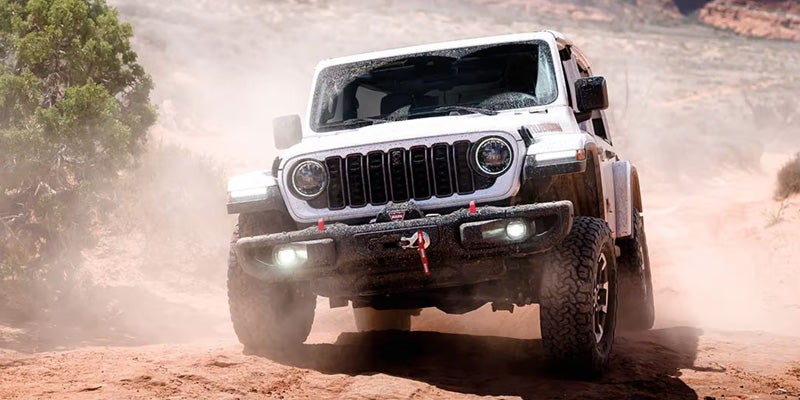
White Jeep Wrangler driving off-road through dusty desert terrain.

Jeep® Wrangler Hardtop vs. Soft Top: Pick Your Version of Open Air

The roof on most SUVs is something you rarely think about unless it leaks. The 2026 Jeep® Wrangler is different. Choosing between a hardtop and soft top changes how the vehicle feels, how quickly you can open it up, and how comfortable it is when the weather turns less cooperative. For Wrangler buyers around Franklin, Kentucky, neither choice is universally better. The soft top favors easy access to open-air driving. The hardtop puts greater emphasis on insulation, security, and reduced road noise. The right answer depends on what you expect your Wrangler to do most often. The Soft Top Makes Open Air the Easy Option A soft top gets straight to one of the Wrangler’s defining features: removing the barrier between you and everything outside. Its lighter construction makes it easier to manage, and the ability to fold or retract the top means you can change the character of the Wrangler without finding somewhere to store a large roof section. On a warm Kentucky afternoon, that convenience counts for quite a lot. If open-air driving is something you plan to enjoy regularly rather than twice a year, the soft top makes a strong case. It’s particularly appealing for trail rides, country roads, and owners who want the classic Wrangler experience close at hand. There is a tradeoff. A soft top generally provides less insulation from temperature and exterior noise than a hardtop. That can become more noticeable during longer highway drives or colder weather. The Hardtop Makes Everyday Miles Easier A hardtop shifts the priorities toward comfort and protection. Its solid construction provides better insulation and helps reduce wind and road noise, which can make a meaningful difference if your Wrangler spends considerable time commuting or traveling at highway speeds. The 2026 Wrangler also keeps open-air driving within reach. Depending on configuration, removable panels above the front seats allow you to open part of the roof without removing the entire hardtop. Quick-release door hinges add another way to open up the cabin. The compromise is obvious enough: a large solid roof is less convenient to remove and store than a soft top. If you decide halfway through a drive that you’d rather have the entire roof off, the soft top is considerably easier to accommodate. Comfort or Convenience? That’s the Real Contest The Jeep® Wrangler hardtop-versus-soft-top decision becomes much simpler when you focus on how frequently you’ll use the roof. Soft tops favor spontaneity. They’re lighter, easier to operate, and particularly well suited to owners who intend to drive open-air whenever the weather cooperates. Hardtops favor year-round comfort. Better insulation and reduced exterior noise make them appealing for owners who spend more time on highways, carry passengers regularly, or simply prefer a more enclosed cabin most of the time. Neither changes the basic reason people buy a Wrangler. You still get an SUV built around removable components and an unusually direct connection with the outdoors. Your Wrangler Still Has a Job to Do Roof choice doesn’t define the Wrangler’s off-road hardware. Buyers can still choose from a broad trim lineup and configure the vehicle around the kind of driving they have planned. A hardtop doesn’t make a Wrangler less adventurous, and choosing a soft top doesn’t mean sacrificing the basic capability expected from the model. Instead, think about the miles between the trails. If most involve commuting and highway travel, the hardtop’s added insulation may prove more useful. If every sunny forecast makes you want to remove the roof immediately, the soft top probably suits you better. Try Both Before Choosing a Roof There’s only so much a specifications page can tell you about the Jeep® Wrangler hardtop-versus-soft-top decision. Noise levels, ease of operation, visibility, and the feeling of opening the cabin are much easier to judge in person. Drivers around Franklin can browse the new Wrangler inventory at Hunt Chrysler, compare available roof and trim configurations, and see which setup fits their plans. Once you’ve narrowed down the choices, schedule your Jeep® Wrangler test drive online and experience both roof styles before deciding which one belongs in your driveway.